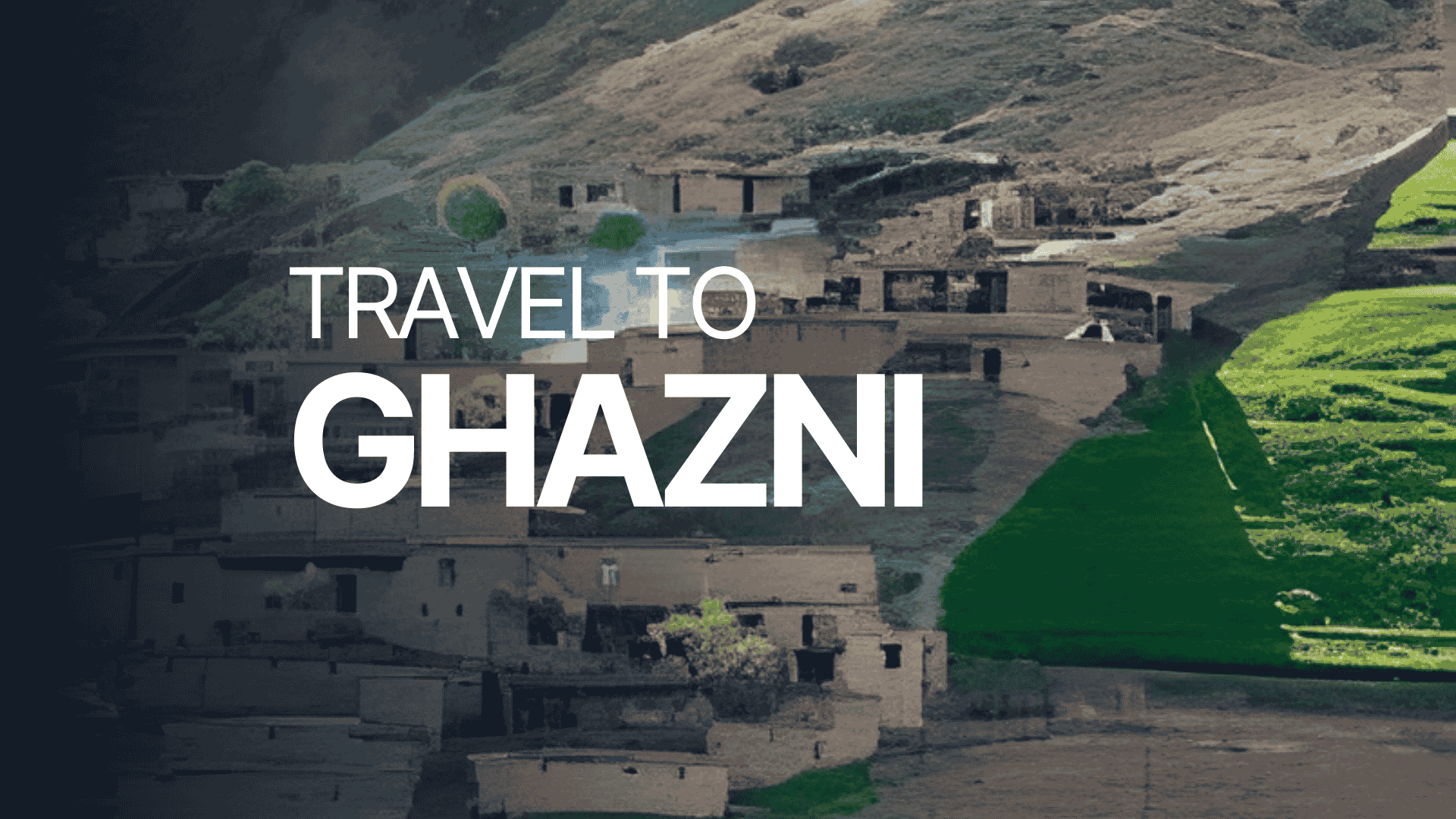
Ghazni
Gateway to southeast
Country & Region
Afghanistan, southeast
Capital city in the southeast region
Best Time to Visit
Year-round travel possible
Each season offers unique experiences and attractions
Capital & population
1,400,000 - Population
City - Capitalte
A vibrant population with diverse communities
Currency & Language
Afghan Afghani (AFN)
Dari, Pashto
UTC+4:30 (Afghanistan Time)
Area & Districts
22,460 km² - total area
17 - districts
Set in a land of scenic beauty
Elevation & Climate
Semi-arid - above sea level
2,195 m - continental climate
Hot summers, cold winters
Ghazni Details
Historical Timeline
Early Settlement Period (Bronze Age – 1st Millennium BCE)
Ghazni’s plains and river valleys hosted some of the earliest settled communities in the region. Archaeological surveys indicate human habitation supported by agriculture and trade routes linking Central and South Asia.
Achaemenid & Hellenistic Influence (6th – 3rd Century BCE)
The region came under the Persian Achaemenid Empire, followed by the influence of Alexander the Great. Greek cultural and architectural traces likely mingled with local traditions, shaping early urban development.
Buddhist Era & Trade Flourishing (1st – 7th Century CE)
Before the spread of Islam, Ghazni lay along important Silk Road sub-routes, hosting Buddhist monasteries and stupas. Many artifacts from this period indicate vibrant cultural exchange and religious scholarship.
Rise of the Saffarids and Early Islamic Governance (9th Century CE)
As Islam expanded across the region, Ghazni became strategically important for emerging Muslim dynasties, serving as a regional administrative hub and military outpost.
Foundation of the Ghaznavid Empire (977 CE)
Sebuktigin and later Sultan Mahmud established Ghazni as the capital of a powerful empire stretching from Iran to northern India. This era transformed Ghazni into one of the most influential cities in the Islamic world.
Cultural Golden Age (1000–1030 CE)
During Sultan Mahmud’s reign, Ghazni thrived as a global center of poetry, philosophy, and science. The great poet Ferdowsi completed the Shahnameh under Ghaznavid patronage, and scholars like Al-Biruni rose to prominence.
Architectural Flourishing (11th–12th Century CE)
Monuments such as the Victory Minarets, lavish palaces, and fortified citadels were constructed. These structures established Ghazni as a model of medieval Islamic architecture.
Destruction by the Ghurids (1151 CE)
The Ghurid forces sacked Ghazni, burning much of the city and marking the beginning of its decline. Although rebuilt, it never fully regained its former imperial grandeur.
Timurid & Mughal Influence (14th–16th Century CE)
Successive empires restored parts of the city and used Ghazni as a strategic stopover, maintaining its cultural continuity despite political change.
Modern Era & Contemporary Significance (20th–21st Century)
Ghazni evolved into a major administrative and economic center in southeastern Afghanistan. Despite periods of instability, it continues to preserve its remarkable archaeological heritage and cultural identity.
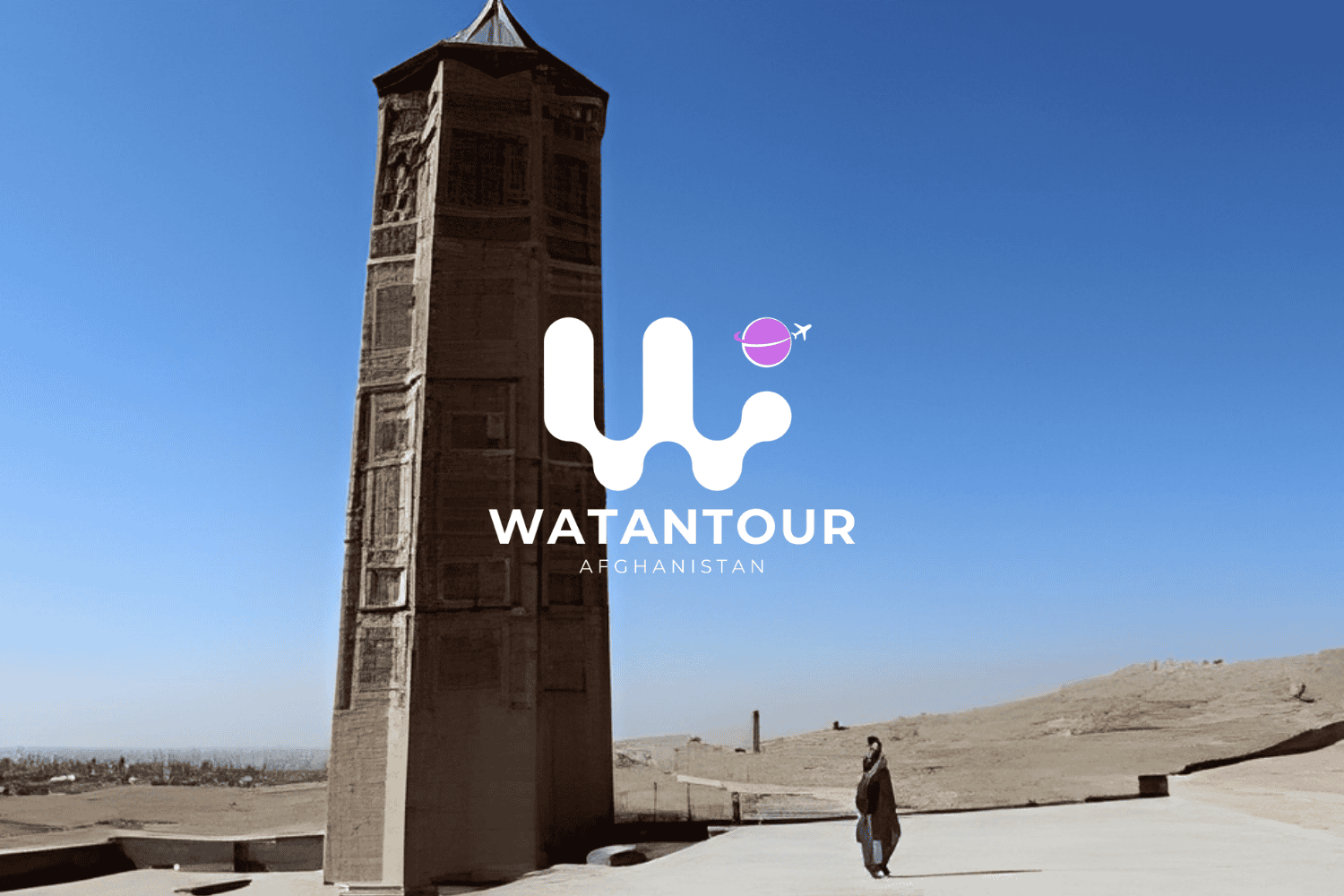
Ghazni Victory Minarets
Two towering 12th-century minarets that once marked ceremonial and military victories. Their intricate geometric brickwork and Kufic inscriptions are masterpieces of medieval Islamic art.

Tomb of Sultan Mahmud Ghaznavi
Resting place of the famed Ghaznavid ruler whose empire stretched across Asia. The site includes remnants of stone inscriptions and is a key pilgrimage for history enthusiasts.
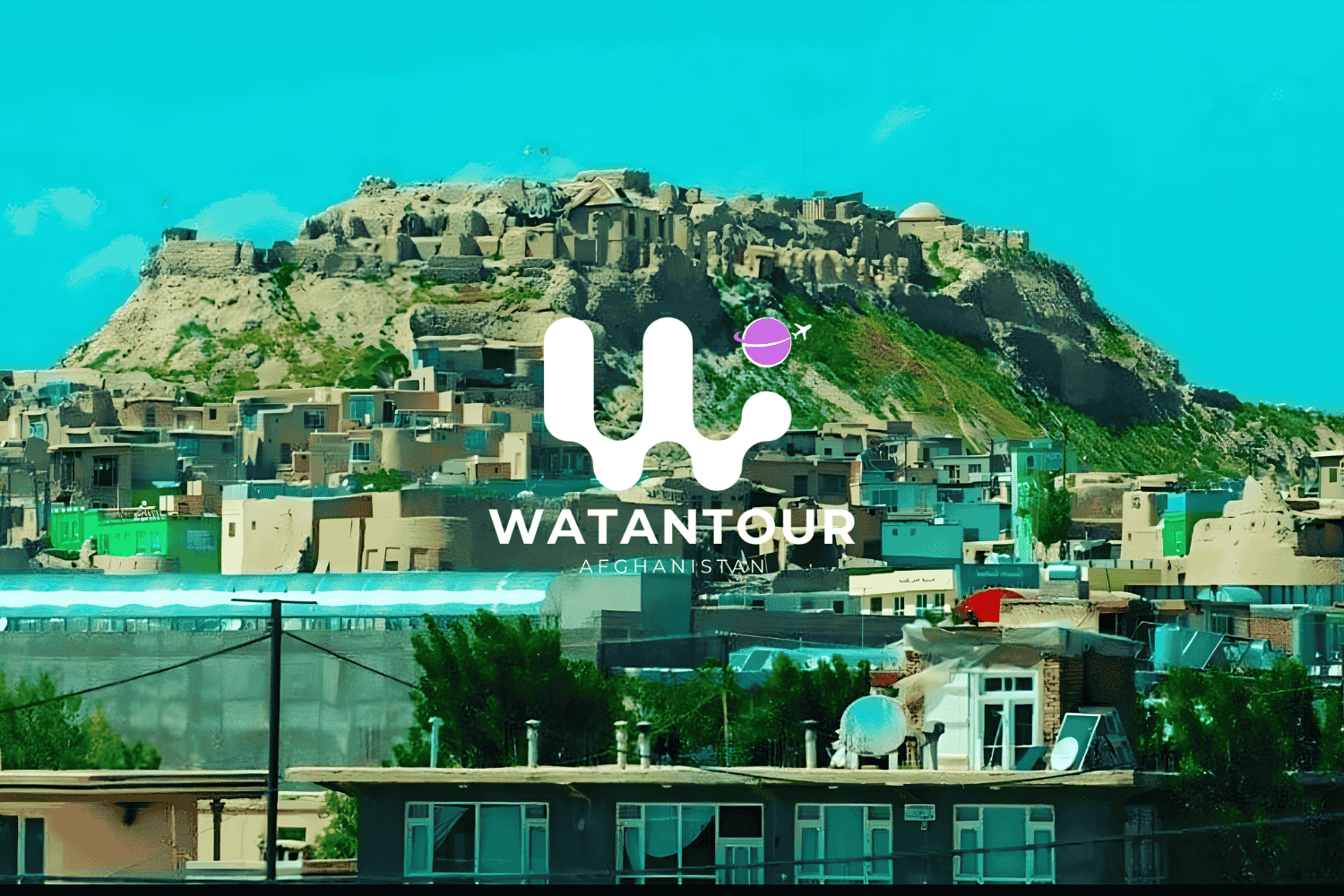
Ghazni Citadel (Bala Hissar)
A massive hilltop fortress overlooking the city, once the command center of kings and military leaders. Its walls offer a striking glimpse into ancient defense engineering.
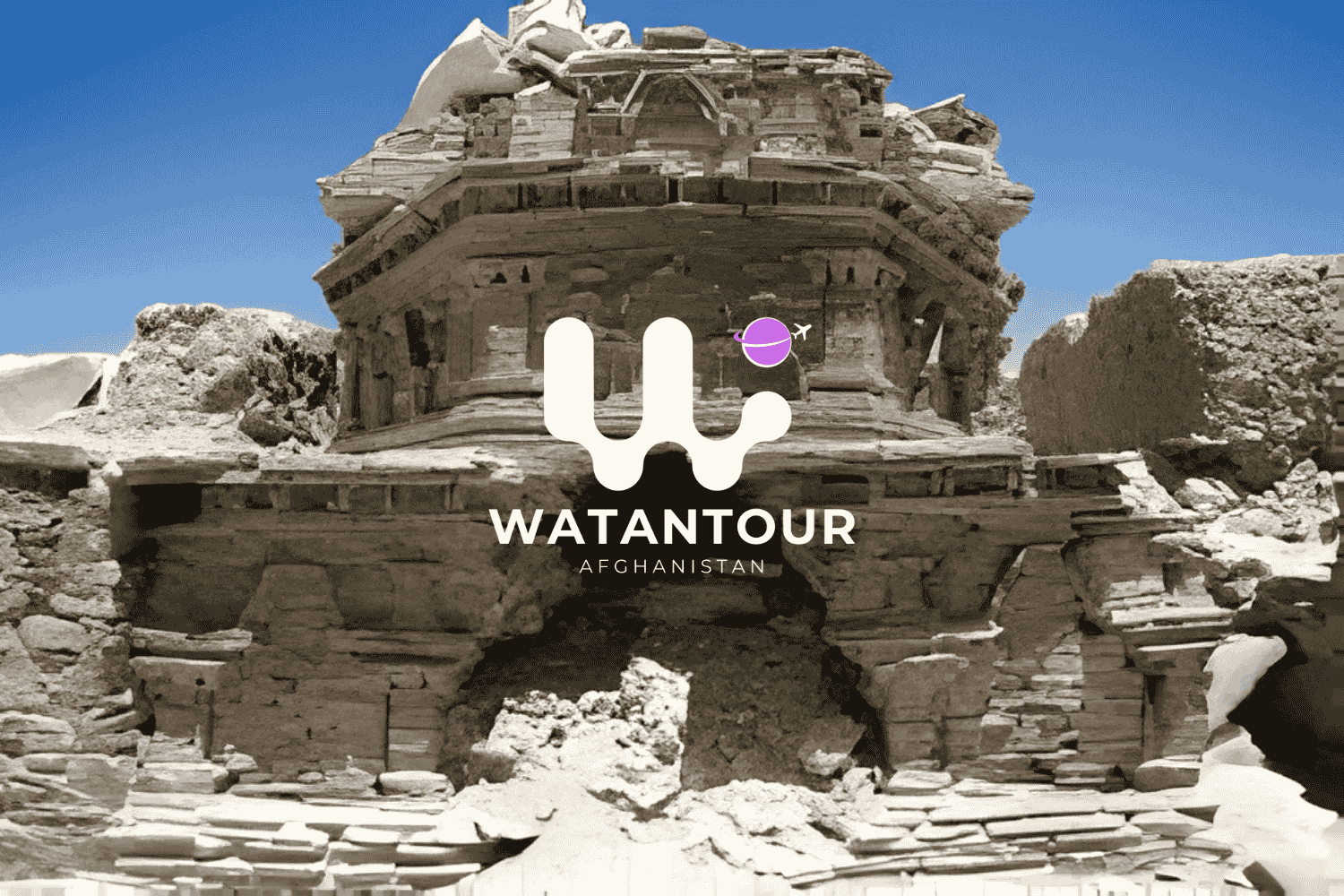
Buddhist Stupa of Tep e Sardar
of a monumental Buddhist stupa dating back to the Kushan period. Excavations reveal sculptures and relics that reflect Ghazni’s pre-Islamic cultural layer.
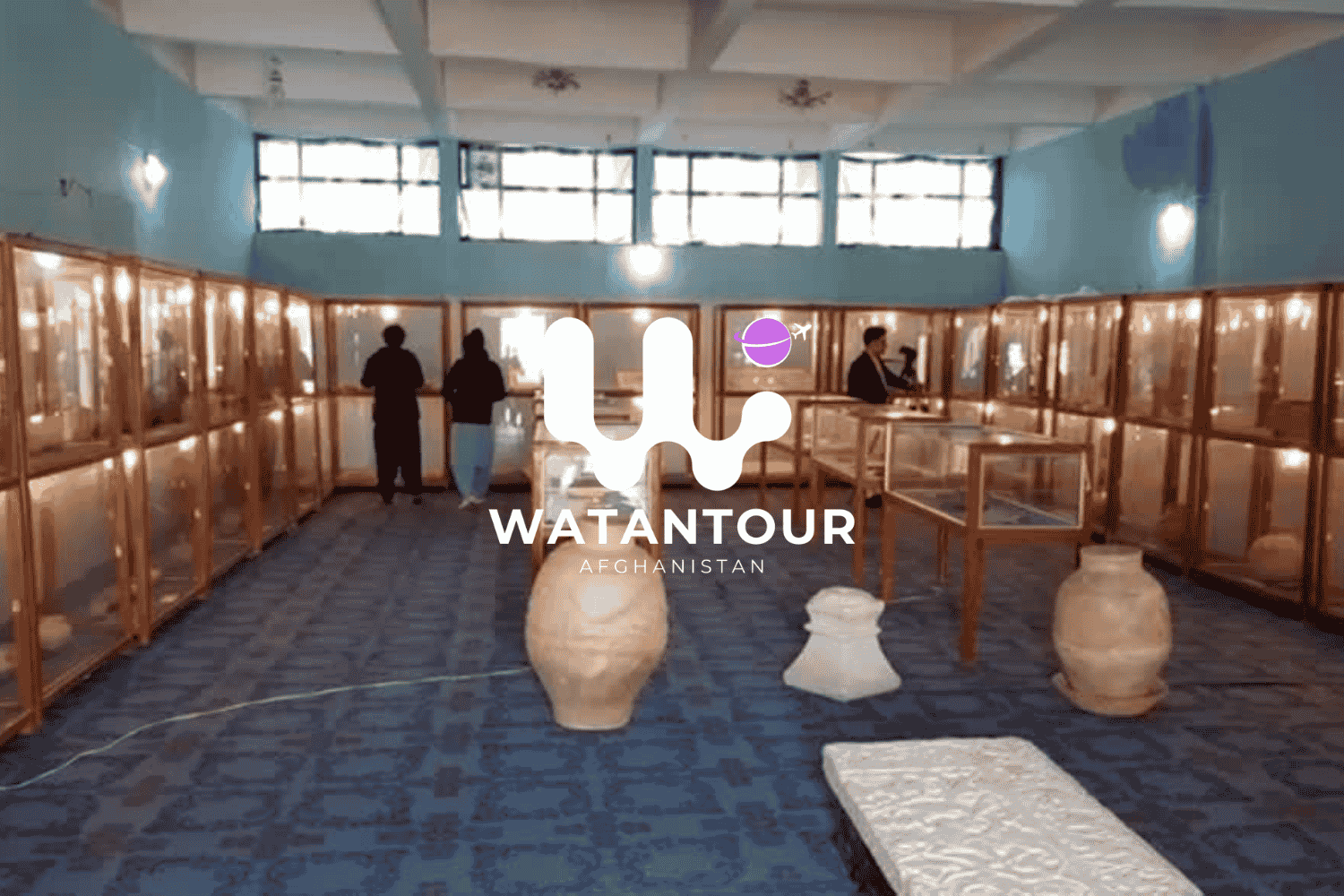
Old Ghazni Museum Site
Though damaged over the years, this site once stored thousands of artifacts from the Ghaznavid and Buddhist eras. Many items are preserved in Kabul, but the original site remains historically symbolic.

Jaghori Highlands
Fertile and picturesque highlands known for friendly communities, green farmlands, and cooler summer weather. A peaceful destination for nature lovers.
No hotels yet.
Explore Medieval Architecture
Discover Ghazni’s fortified citadels, minarets, and palace ruins.
Visit Rural Villages
Experience traditional Afghan hospitality in Jaghori, Malistan, and Nawur.
Trek Scenic Valleys
Walk through mountainous trails ideal for summer adventures.
Shop Local Crafts
Buy carpets, embroidered clothing, pottery, and handmade jewelry.
Enjoy Traditional Festivals
Participate in Eids, wedding ceremonies, and seasonal harvest festivities.
Taste Authentic Ghazni Cuisine
Try slow-cooked meats, dairy-rich dishes, and village bread varieties.
Kabul Interactive Map
Must-Try Dishes
Where to Dine
No dining places added yet.
Visa & Entry
Tourist Visa: Required for most nationalities
Processing: 5-10 business days
Documents: Passport, photos, invitation letter
Entry Points: Hamid Karzai International Airport
Safety & Health
Travel Insurance: Mandatory and recommended
Vaccinations: Routine vaccines up to date
Local Guide: Strongly recommended
Emergency: 119 (Police), 112 (Medical)
Money & Communication
Currency: Afghan Afghani (AFN)
Payment: Cash preferred, USD accepted
Internet: WiFi in hotels, limited mobile
Language: Dari, Pashto (English limited)
Recent Reviews
No reviews yet.
Traveler Photos
No traveler photos yet.
Share Your Experience
Visited recently? Share your photos and reviews to help other travelers plan.
Call Us
+93 796 530 434
Email Us
info@watantour.com
+93 791 696 092