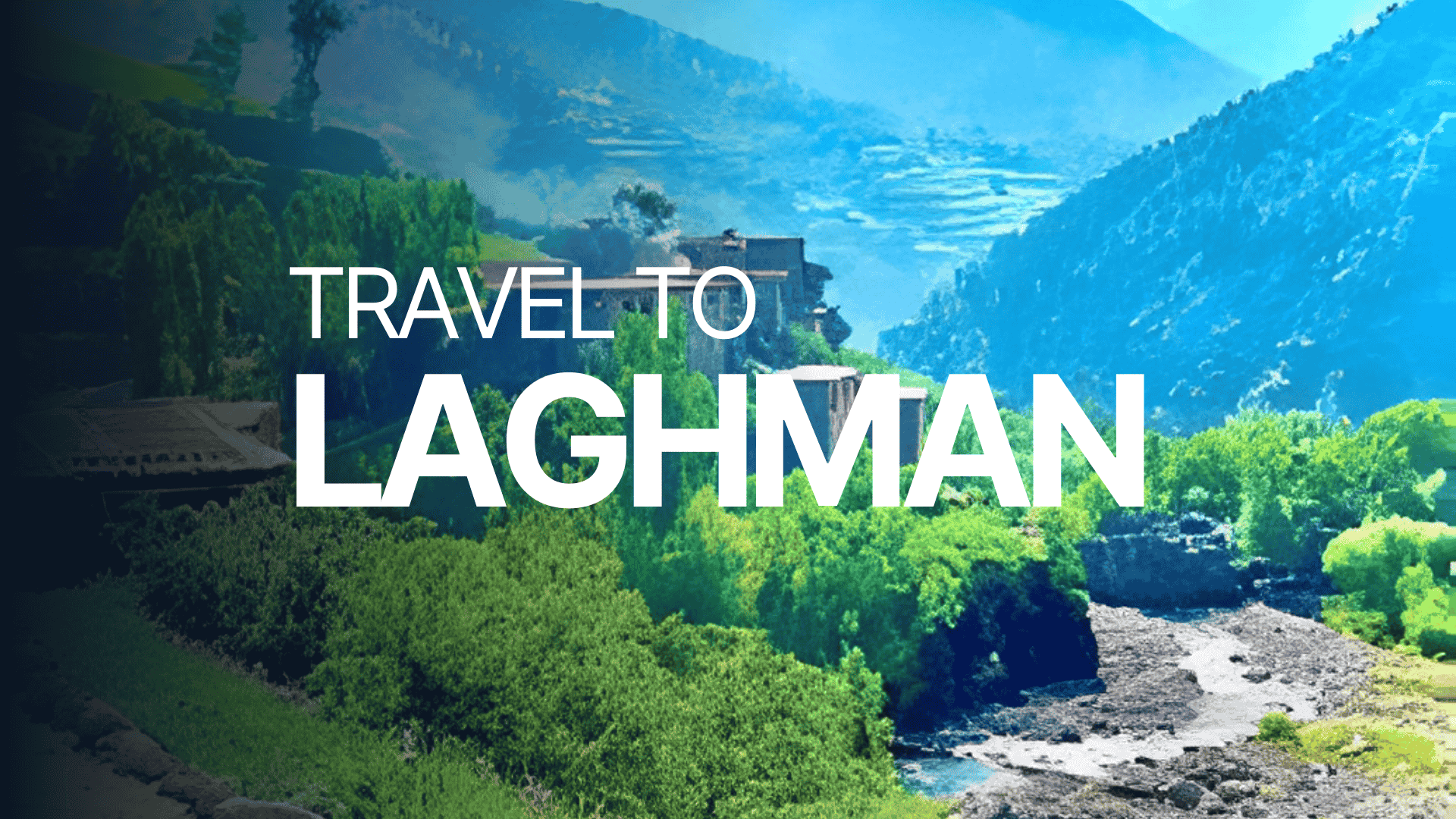
Laghman
Gateway to east
Country & Region
Afghanistan, east
Capital city in the east region
Best Time to Visit
Year-round travel possible
Each season offers unique experiences and attractions
Capital & population
540,000 - Population
Mehtarlam - Capitalte
A vibrant population with diverse communities
Currency & Language
Afghan Afghani (AFN)
Dari, Pashto
UTC+4:30 (Afghanistan Time)
Area & Districts
3,843 km² - total area
5 - districts
Set in a land of scenic beauty
Elevation & Climate
Semi-arid - above sea level
1,050 m - continental climate
Hot summers, cold winters
Laghman Details
Historical Timeline
Early Settlements (3rd century BCE)
Early agricultural tribes establish permanent villages along the Alingar and Alishing rivers, drawn by the region’s fertile soil and plentiful water sources. Archaeological findings suggest that these early inhabitants practiced terrace farming, developed irrigation channels, and engaged in small-scale trade with neighboring valleys.
Buddhist Influence and Early Kingdoms (1st–5th centuries CE)
During this era, Laghman becomes part of a vibrant Buddhist cultural zone stretching across eastern Afghanistan. Monasteries, stupas, and carved stone relics—many still hidden in remote hills today—indicate that monks and pilgrims traveled through the province regularly. Laghman served as a quiet spiritual retreat and a key waypoint along trade routes connecting Gandhara with the Kabul and Laghman basins.
Kushan Presence and Regional Trade (2nd century CE)
Under the powerful Kushan Empire, Laghman flourishes as a caravan passage linking the Indian subcontinent with Central Asia. Goods such as silk, spices, and precious stones passed through its valleys. The period is marked by relative stability, cultural blending, and the spread of Buddhist art and architecture.
Arrival and Spread of Islam (7th–9th centuries)
Arab expeditions and local Afghan tribes gradually introduce Islam to the region. Over time, Buddhist institutions decline and Islamic culture, jurisprudence, and architecture take root. Mosques and shrines begin to appear, and the province becomes integrated into the expanding Islamic world. Oral traditions in Laghman reference early scholars and Sufi travelers who helped shape the spiritual landscape.
Ghaznavid Era (10th–11th centuries)
During the rule of the Ghaznavid Empire, Laghman holds strategic value as a frontier territory securing the eastern approaches to the empire. Roads and administrative networks improve, facilitating military movement and commerce. Agricultural production grows as new settlements form, benefiting from the stability and economic policies of the Ghaznavid rulers.
Timurid Period and Cultural Flourishing (14th–15th centuries)
Under Timurid governance, Laghman experiences renewed development—particularly in farming, small-scale industry, and cultural activities. The construction of irrigation systems and strengthened trade relations promote prosperity. This period also sees a rise in local craftsmanship, music, and storytelling traditions that continue to influence Laghmani culture today.
Modernization under the Afghan Kingdom (19th century)
As the Afghan state consolidates its control, Laghman becomes more tightly integrated into national governance. Roads connecting Mehtarlam to Kabul and neighboring provinces are expanded, facilitating market growth. Agriculture diversifies, and the province becomes known for its orchards—especially citrus, peaches, and mulberries. Traditional tribal structures adapt to new administrative reforms.
Modern Era and Regional Development (20th–21st centuries)
In recent decades, Laghman experiences steady population growth and increasing connectivity with major Afghan cities. Infrastructure improves, new schools and clinics are built, and the province becomes recognized for eco-tourism potential due to its rivers, valleys, and forests. Despite challenges, Laghman continues to preserve its cultural identity, historical heritage, and natural beauty, attracting visitors seeking both adventure and authenticity.
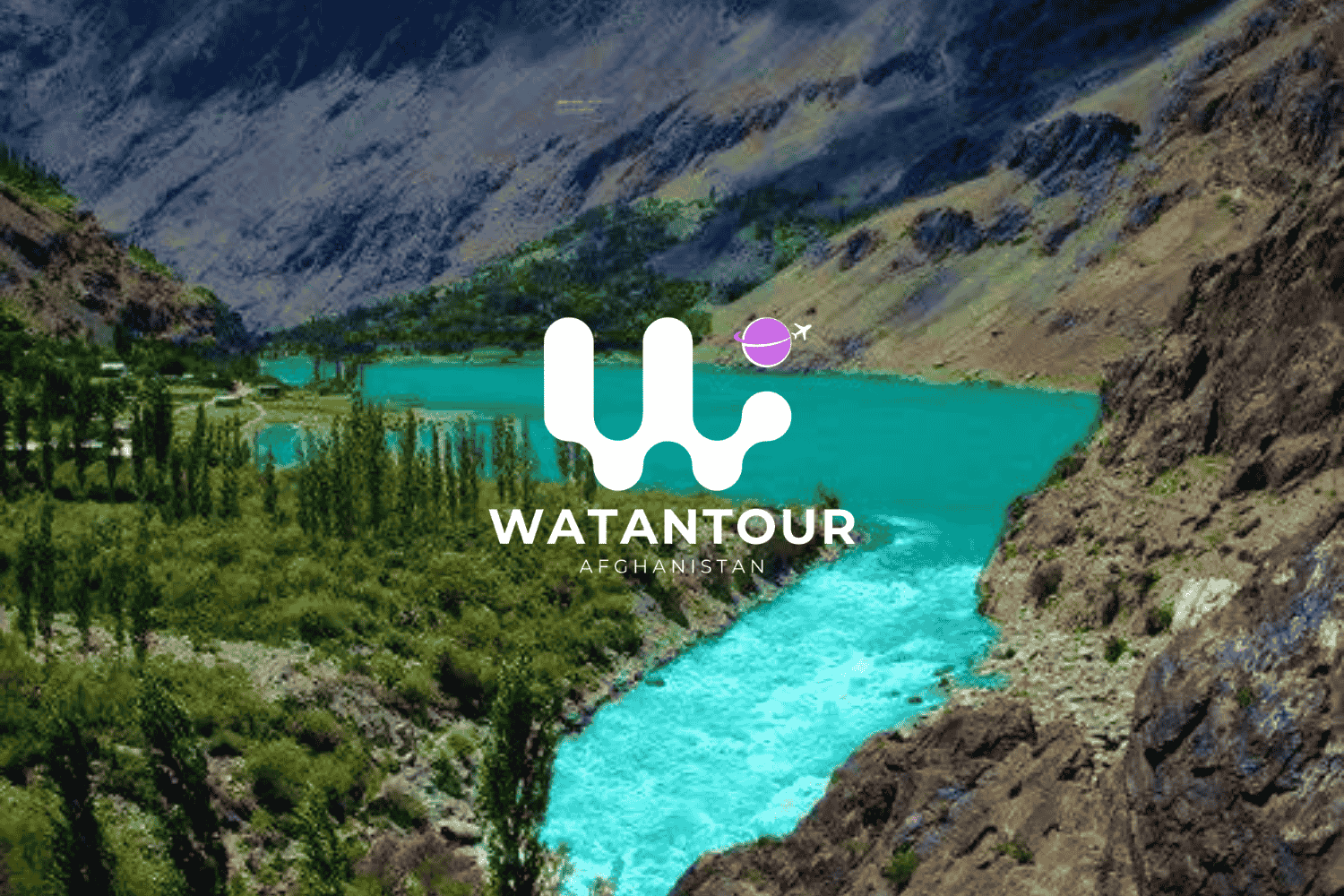
Alingar River Valley
This picturesque river valley is the heart of Laghman's natural beauty, known for its sparkling turquoise waters, orchard-lined banks, and scenic picnic areas.
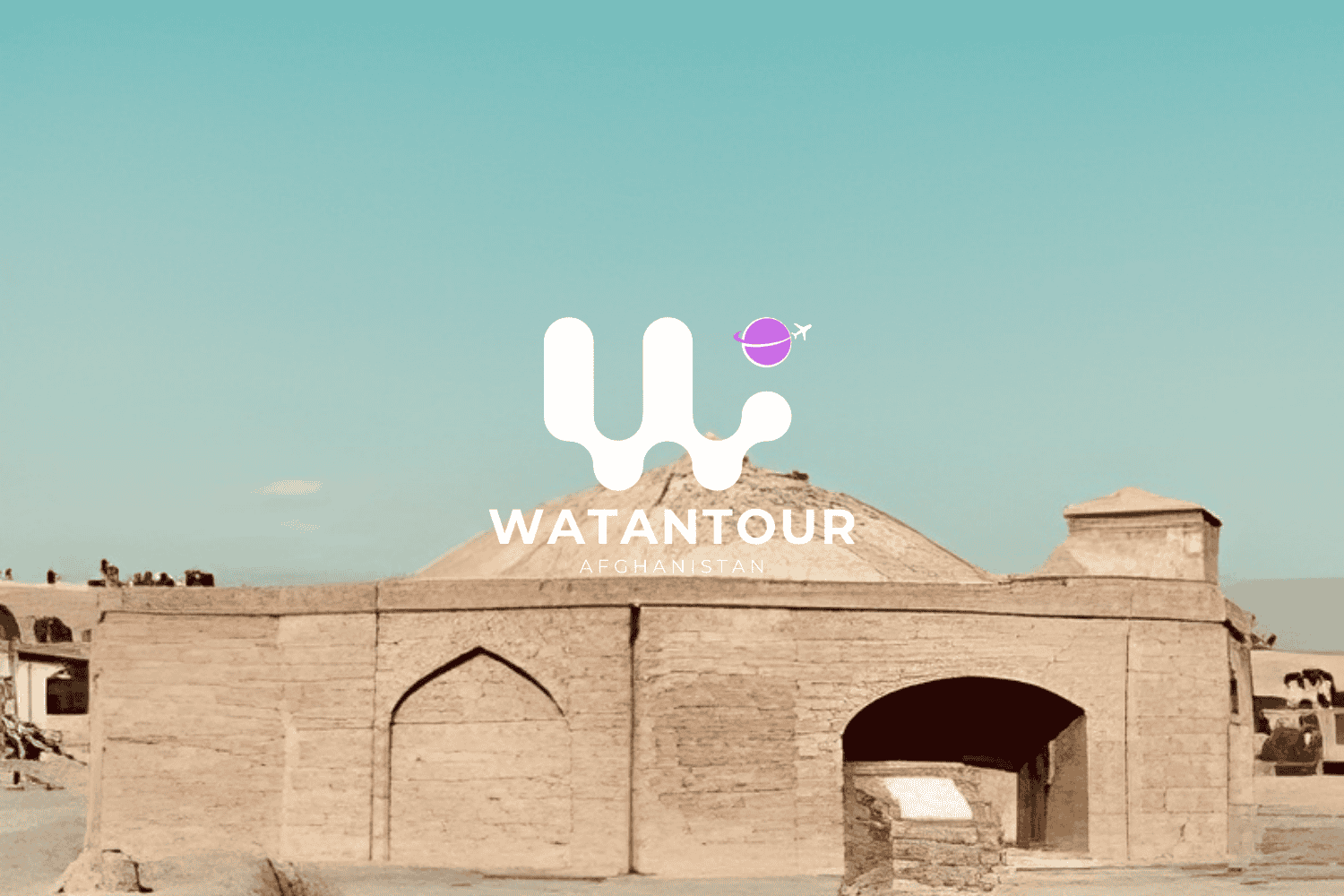
Mehtarlam Baba Shrine
A revered spiritual landmark named after Lamech, father of Prophet Noah according to tradition, attracting pilgrims and visitors seeking peace and cultural insight.
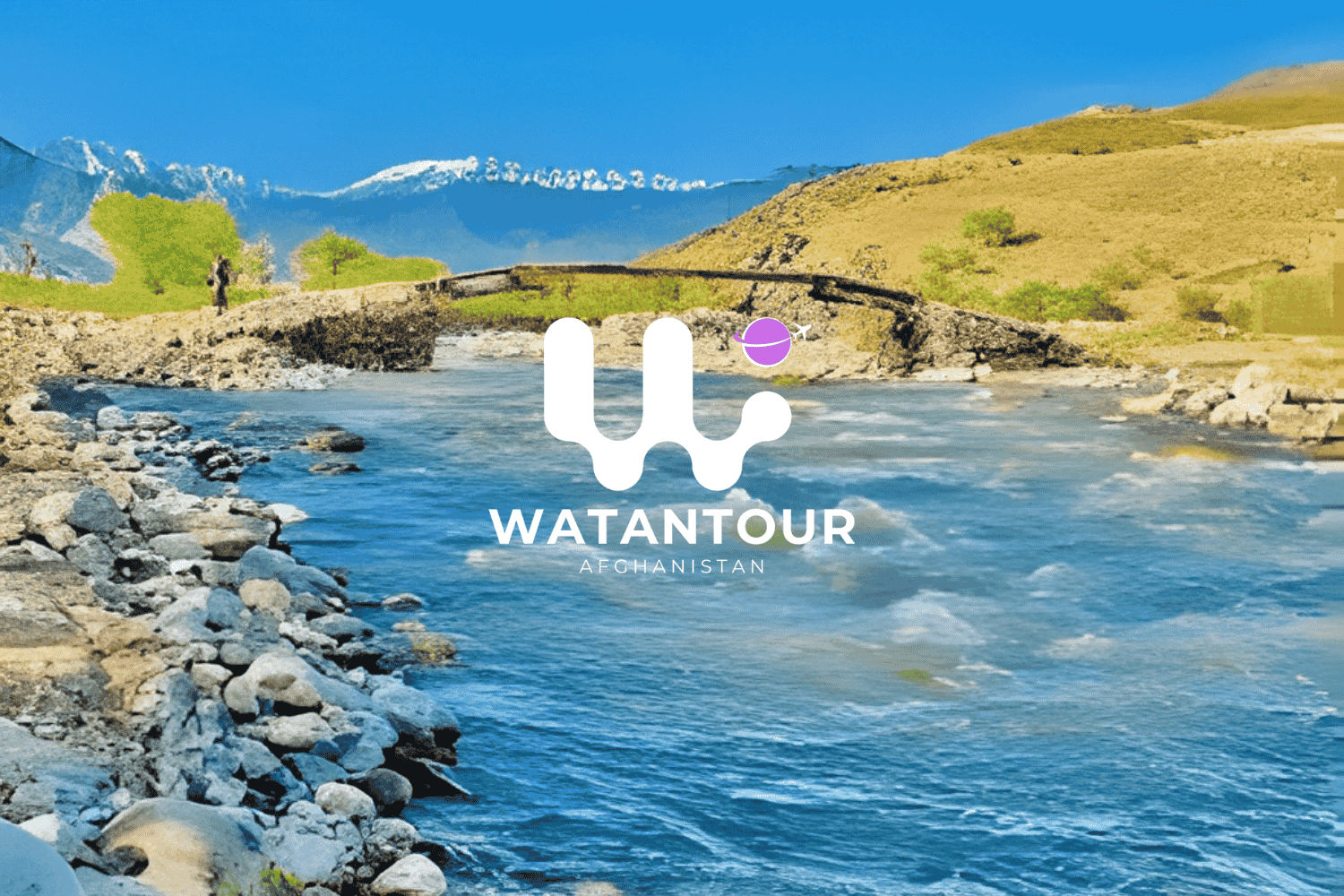
Alishing Valley
A lush green valley with terraced fields, riverside paths, and quiet villages perfect for trekking and photography.
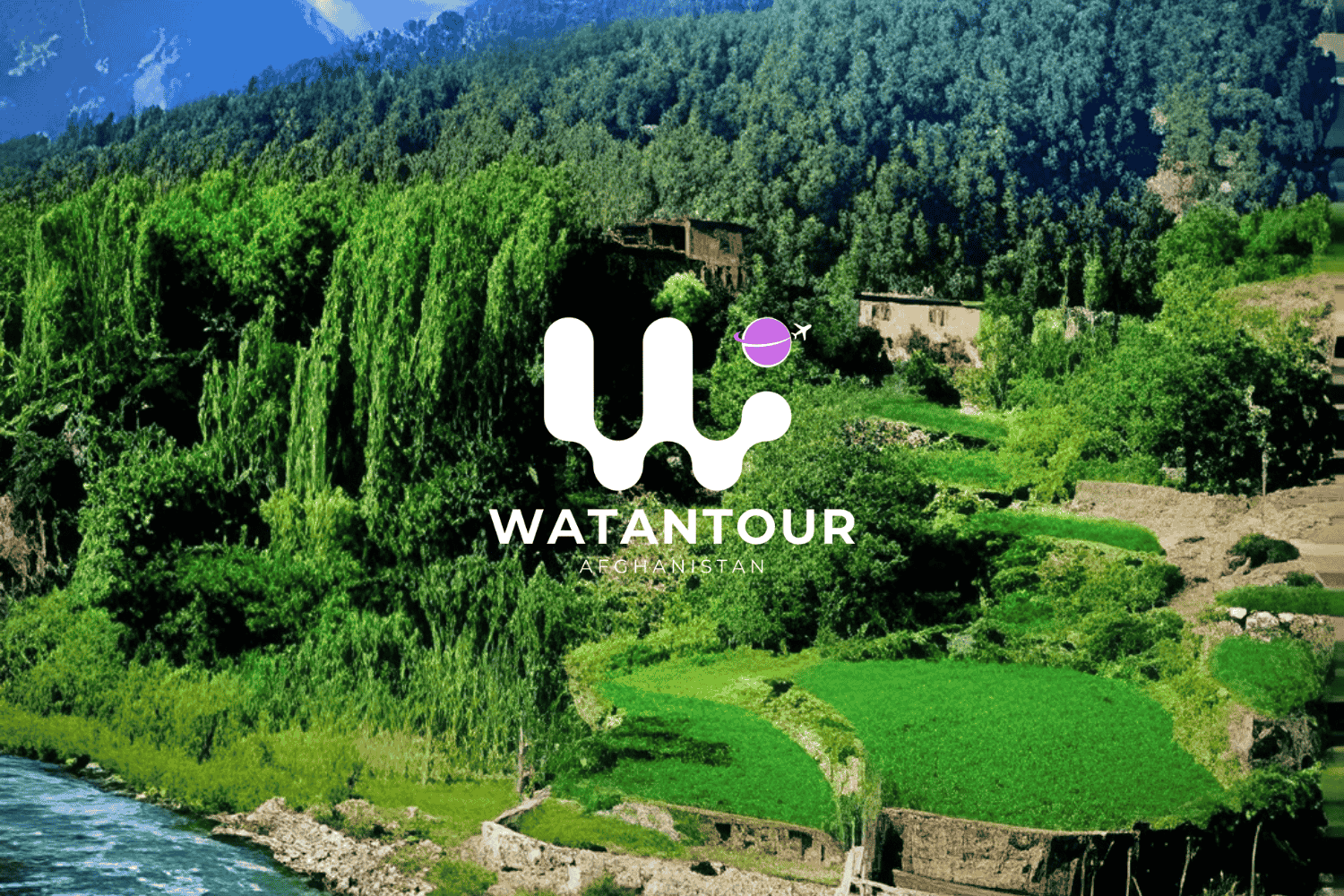
Dawlat Shah Forests
Dense woodlands offering refreshing mountain air, wildlife viewing, and scenic landscapes ideal for nature lovers.
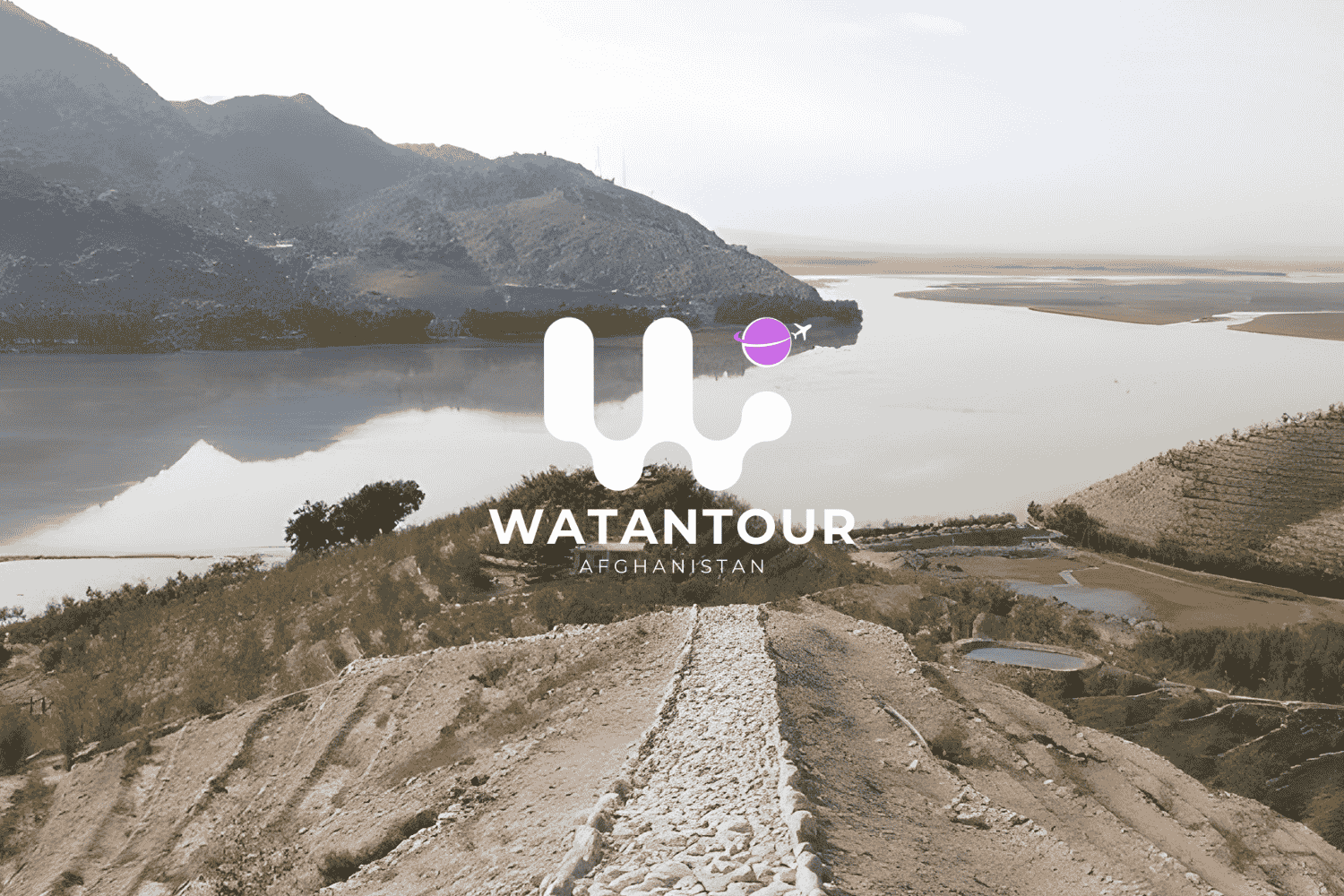
Laghman Qarghayi
Small natural lakes scattered through the province’s highlands, offering serene views and peaceful picnic spots.
No hotels yet.
Riverside Picnicking
Relax by the crystal-clear waters of the Alingar and Alishing rivers and enjoy a scenic lunch with mountain views.
Mountain Trekking
Laghman’s rugged highlands with trails suitable for both casual hikers and experienced trekkers.
Fruit Orchard Tours
Visit local farms and taste fresh peaches, citrus fruits, and mulberries straight from Laghman’s orchards.
Photography Expeditions
Capture the province’s dramatic landscapes, rivers, and village life with guided photography trips.
Cultural Visits to Local Villages
Engage with local communities, learn about traditional crafts, and experience authentic eastern Afghan culture.
Bazaar Shopping
Purchase handmade textiles, embroidered clothing, and traditional Laghmani souvenirs.
Kabul Interactive Map
Must-Try Dishes
🍛 Chalaw Laghmani
A fragrant rice dish served with local vegetables or meat, known for its simplicity and freshness.
🥘 Qorma e Pashai
A traditional stew originating from the region’s Pashai communities, rich in spices and slow-cooked flavors.
🍉 Seasonal Fruits (Peaches & Mulberries)
Laghman is renowned for its sweet peaches and rich mulberries, enjoyed fresh or dried.Tags: fruits, local produce
Where to Dine
No dining places added yet.
Visa & Entry
Tourist Visa: Required for most nationalities
Processing: 5-10 business days
Documents: Passport, photos, invitation letter
Entry Points: Hamid Karzai International Airport
Safety & Health
Travel Insurance: Mandatory and recommended
Vaccinations: Routine vaccines up to date
Local Guide: Strongly recommended
Emergency: 119 (Police), 112 (Medical)
Money & Communication
Currency: Afghan Afghani (AFN)
Payment: Cash preferred, USD accepted
Internet: WiFi in hotels, limited mobile
Language: Dari, Pashto (English limited)
Recent Reviews
S. Rahimi
“Laghman’s landscapes exceeded my expectations. The rivers were beautiful, and the locals were incredibly welcoming. A perfect escape from city noise.”
Traveler Photos
No traveler photos yet.
Share Your Experience
Visited recently? Share your photos and reviews to help other travelers plan.
Call Us
+93 796 530 434
Email Us
info@watantour.com
+93 791 696 092