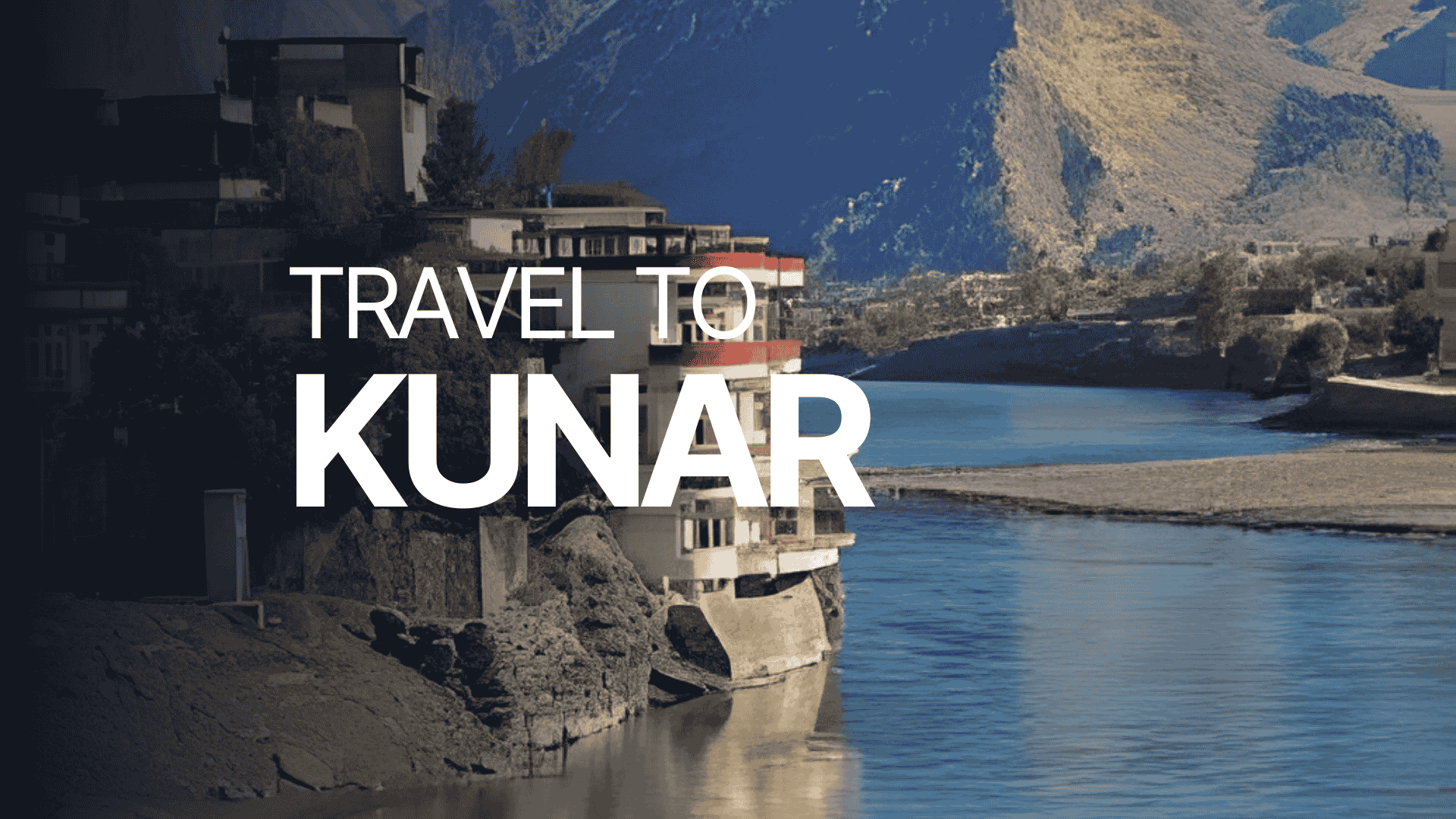
Kunar
Gateway to east
Country & Region
Afghanistan, east
Capital city in the east region
Best Time to Visit
Year-round travel possible
Each season offers unique experiences and attractions
Capital & population
508,000 - Population
Asadabad - Capitalte
A vibrant population with diverse communities
Currency & Language
Afghan Afghani (AFN)
Dari, Pashto
UTC+4:30 (Afghanistan Time)
Area & Districts
4,339 km² - total area
15 - districts
Set in a land of scenic beauty
Elevation & Climate
Humid&alpine - above sea level
827 m - continental climate
Hot summers, cold winters
Kunar Details
Historical Timeline
Early Human Activity (2nd century BCE)
Archaeological evidence suggests that early mountain tribes established small farming communities along the Kunar River and its tributaries. These early inhabitants built fortified settlements on high ridges to guard against seasonal floods and rival groups. Using basic irrigation systems, they cultivated grains, kept livestock, and traded with neighboring valleys across the Hindu Kush.
Buddhist Era Expansion (1st–5th centuries CE)
During the Buddhist period, Kunar becomes part of a broader spiritual and cultural network extending from Gandhara into the highlands of eastern Afghanistan. Monks traveled through the Kunar valleys, establishing meditation caves and leaving behind statues, inscriptions, and traces of Buddhist iconography carved into remote cliffsides. These sacred stops served as quiet places for reflection and as waystations for travelers moving toward Nuristan and northern Laghman.
Kushan Influence and Trade Corridor (2nd–3rd centuries CE)
Under the Kushan Empire, Kunar transforms into a bustling regional artery connecting Gandhara with Central Asia. Caravan routes pass through its steep valleys, carrying goods such as silk, gems, spices, and metalwork. The Kushan presence brings new artistic styles, coinage, and administrative organization. Cultural exchange intensifies, as traders and travelers introduce fresh ideas and hybrid art forms that leave a subtle but lasting imprint on the region.
Hindu Shahi Period (8th–10th centuries)
The Hindu Shahi rulers exert influence over Kunar during this era, controlling trade routes and constructing fortified outposts in the mountains. Ruins of ancient stone structures and religious shrines in elevated areas reflect their administrative reach. Local legends and surviving archaeological fragments hint at temples, ritual sites, and fortified garrisons that once overlooked the Kunar River.
Islamic Consolidation (10th–12th centuries)
The spread of Islam across eastern Afghanistan brings significant cultural and religious transformation to Kunar. Islamic scholars, merchants, and local rulers establish mosques and religious schools, gradually replacing Buddhist and Hindu centers. Over several generations, Islamic practices become firmly rooted in daily life. Traditional governance evolves, integrating Islamic law with local tribal systems.
Timurid and Mughal Interactions (14th–17th centuries)
Kunar becomes a strategic border region contested by several major empires. The Timurid and later Mughal rulers view the region as vital for controlling eastern trade routes and maintaining influence over mountain tribes. Though direct imperial administration was limited due to the challenging terrain, both powers impacted local trade, architecture, and culture. Caravan posts, military watchtowers, and fortified homes from this era suggest increased movement and political attention.
Kunar as an Eastern Frontier Province (18th–19th centuries)
With the formation and expansion of the Afghan Kingdom, Kunar gains importance as a fortified frontier territory. Tribal alliances and local governance are reorganized to secure the border, while new mountain passes and river crossings improve regional mobility. The province becomes known for its skilled woodworkers, strong tribal networks, and its ability to maintain relative autonomy within the Afghan administrative structure.
Modern Era and Regional Development (20th–21st centuries)
In recent decades, Kunar expands rapidly as population centers grow along major river valleys. Improved roads connect Asadabad with Jalalabad and other provinces, strengthening trade and cultural exchange. Despite development challenges, the region preserves its strong tribal traditions, diverse cultural heritage, and unparalleled natural beauty. Its rivers, forests, and mountains attract increasing interest from eco-tourists, adventure travelers, and historians exploring Afghanistan’s eastern highlands.
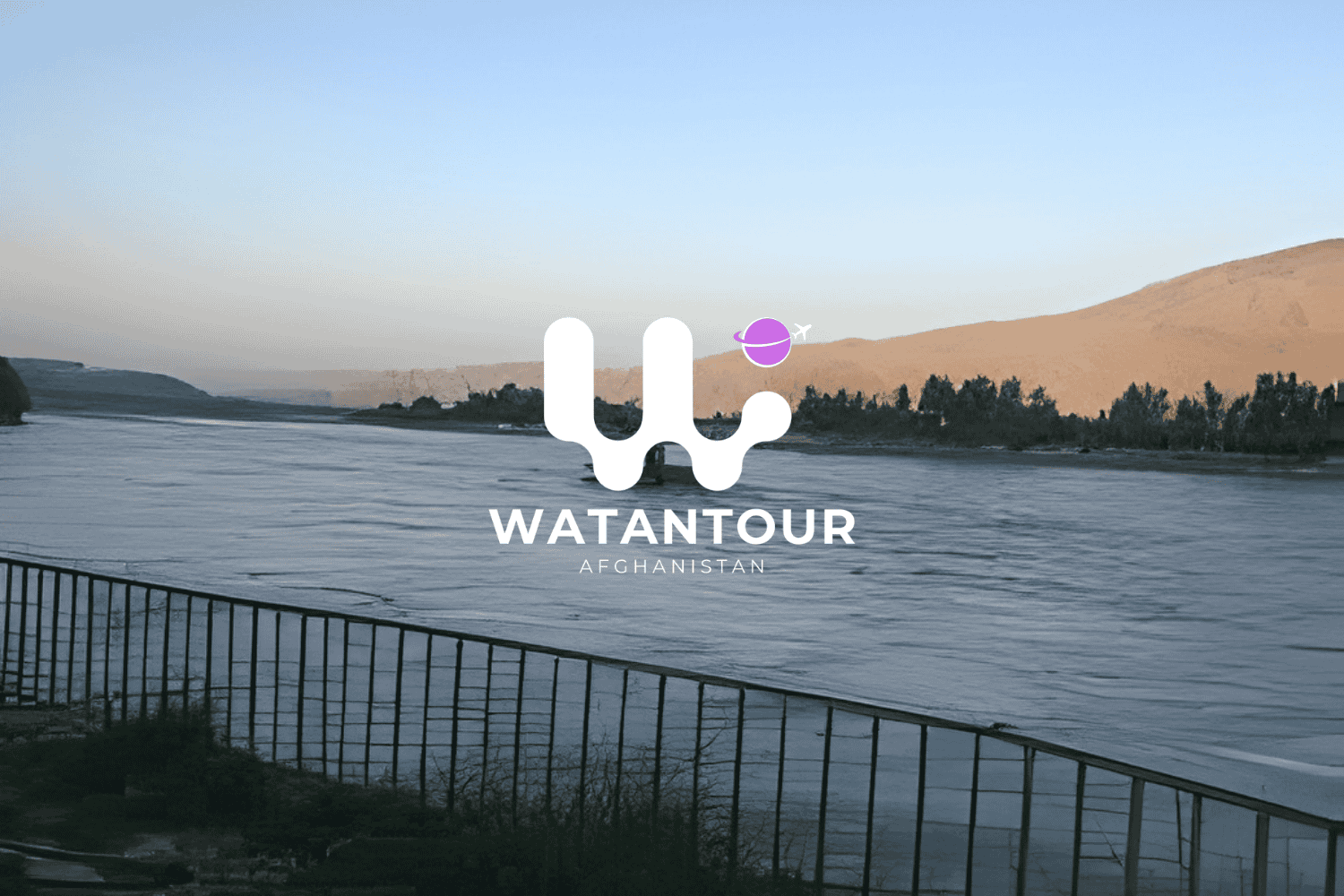
Kunar River
One of Afghanistan’s most beautiful rivers, known for its turquoise flow, winding gorges, and ideal spots for fishing, rafting, and riverside photography.
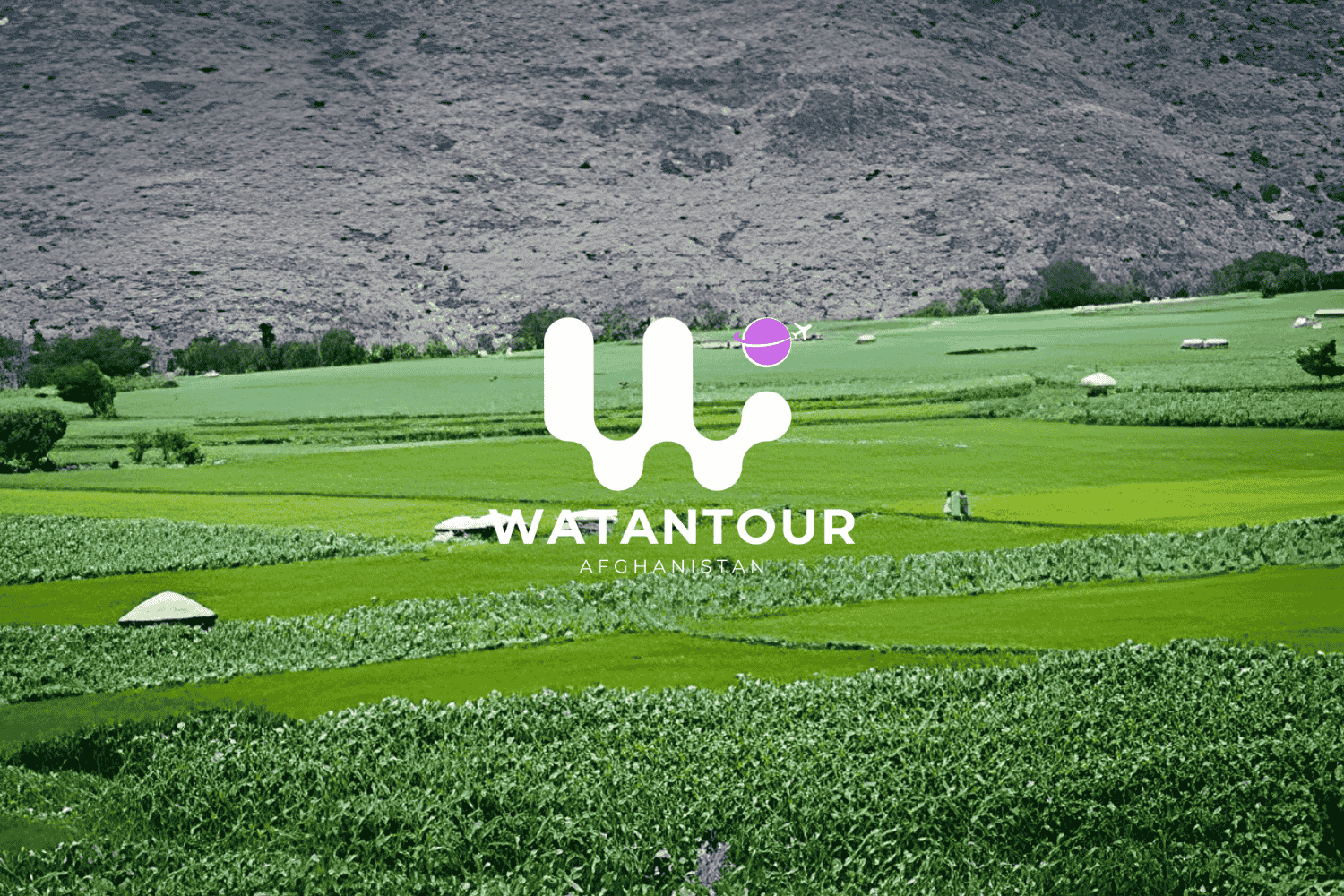
Peche River Valley
A lush valley fed by forested mountains, offering scenic trails, cool breezes, and panoramic viewpoints.
Shigal Valley
A remote valley known for traditional wooden architecture, terraced fields, and breathtaking mountain views.
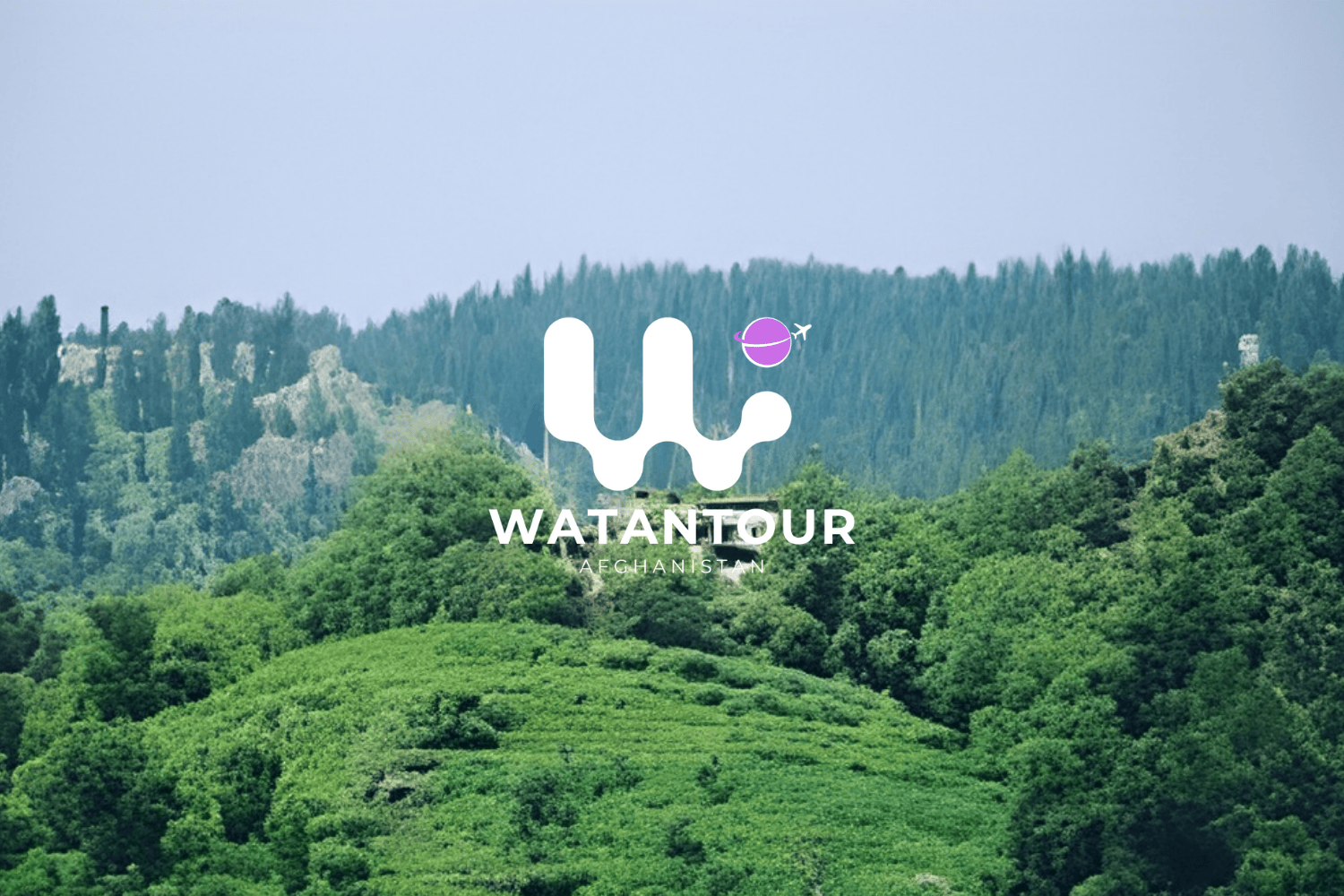
Nurgal Forests
Dense pine forests perfect for walking, picnics, and wildlife observation.
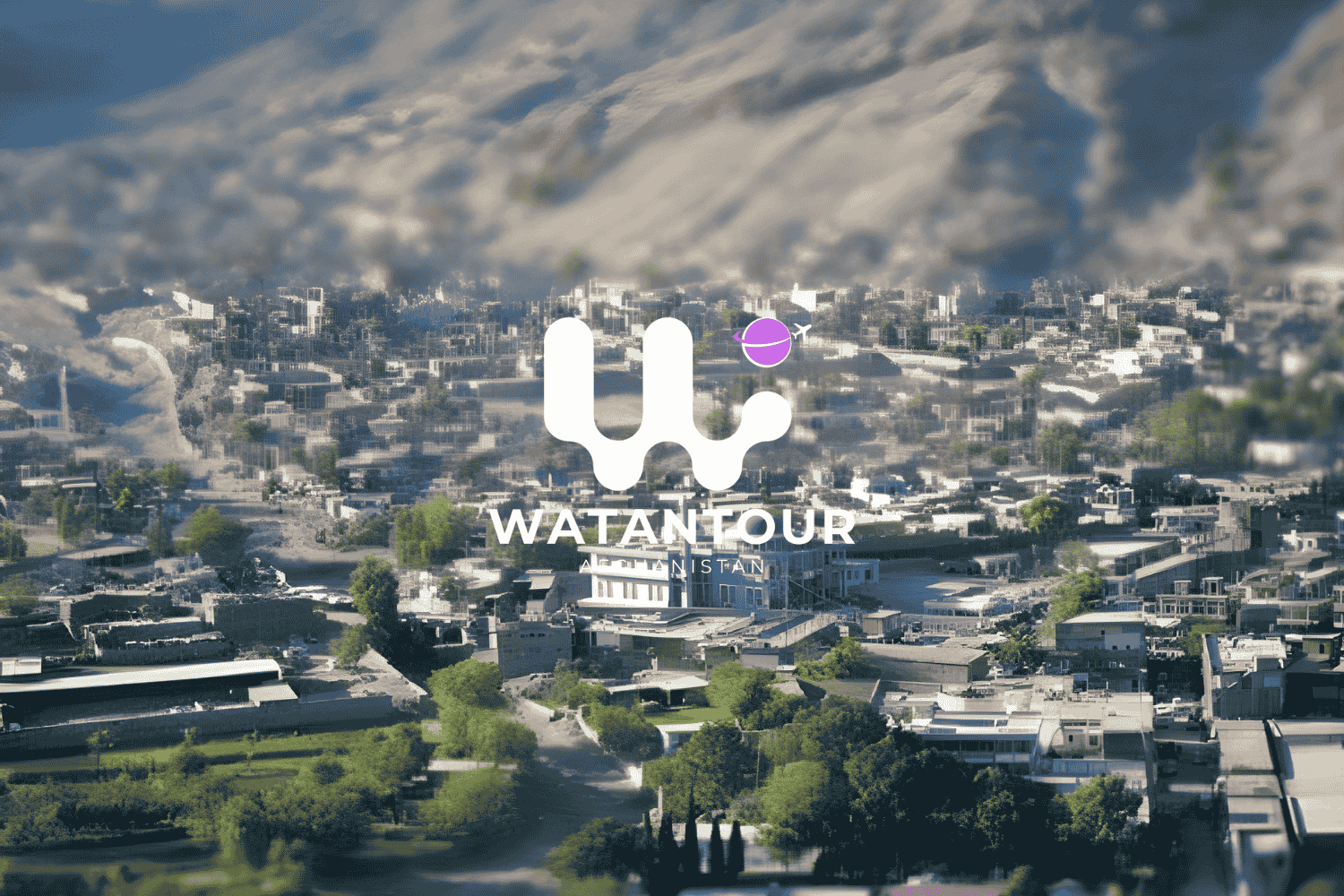
Asadabad Hilltop Viewpoints
Overlooking the capital, these hilltops offer sweeping views of the Kunar and Peche rivers.
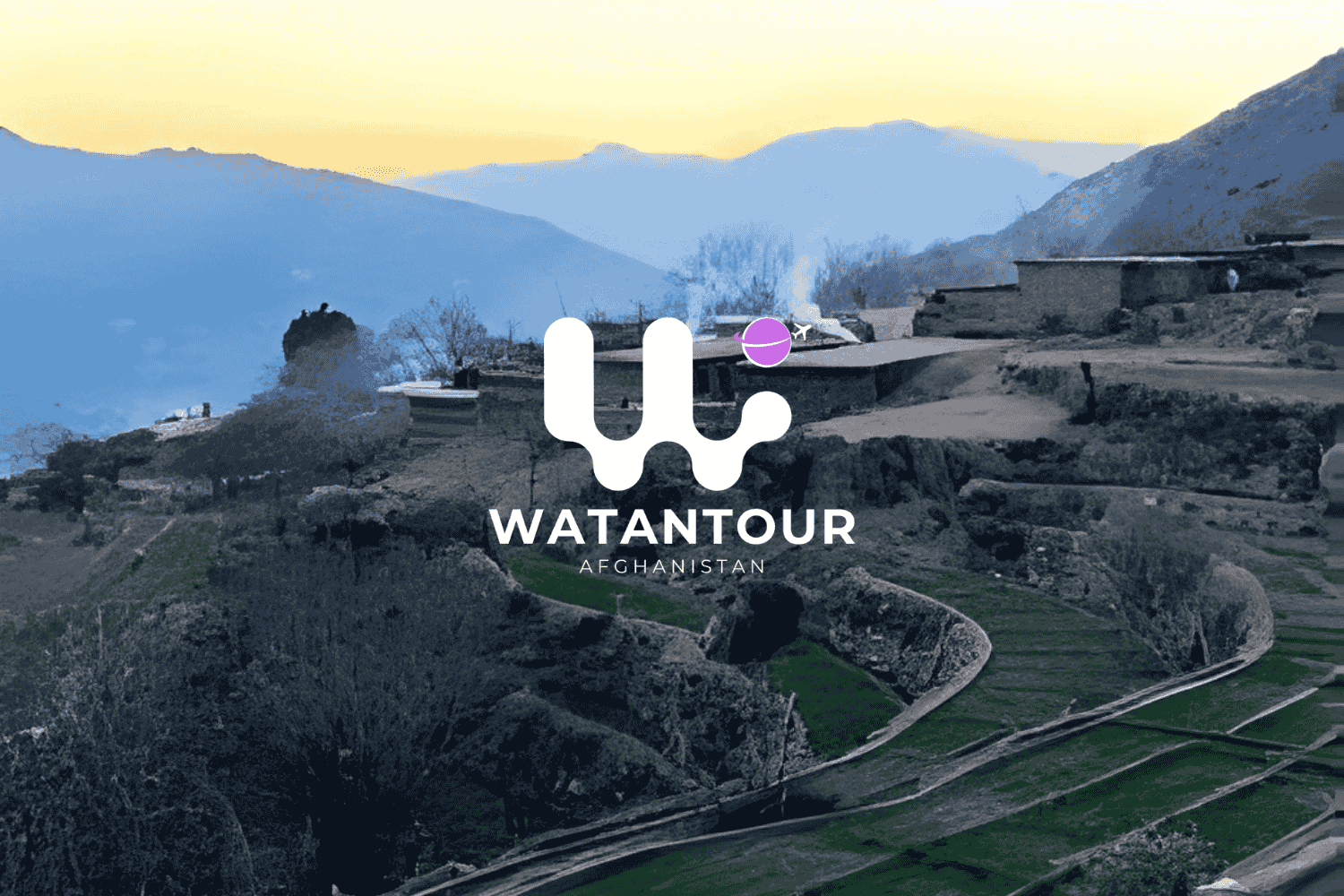
Watapur Valley
A remote adventure destination with rugged terrain, pristine streams, and authentic village life.
No hotels yet.
No activities yet.
Kabul Interactive Map
Must-Try Dishes
Where to Dine
No dining places added yet.
Visa & Entry
Tourist Visa: Required for most nationalities
Processing: 5-10 business days
Documents: Passport, photos, invitation letter
Entry Points: Hamid Karzai International Airport
Safety & Health
Travel Insurance: Mandatory and recommended
Vaccinations: Routine vaccines up to date
Local Guide: Strongly recommended
Emergency: 119 (Police), 112 (Medical)
Money & Communication
Currency: Afghan Afghani (AFN)
Payment: Cash preferred, USD accepted
Internet: WiFi in hotels, limited mobile
Language: Dari, Pashto (English limited)
Recent Reviews
No reviews yet.
Traveler Photos
No traveler photos yet.
Share Your Experience
Visited recently? Share your photos and reviews to help other travelers plan.
Call Us
+93 796 530 434
Email Us
info@watantour.com
+93 791 696 092